Why Doing the Right Things Matters More Than Doing All the Things
September 2, 2026

Mold exposure can have serious implications for your health, leading to chronic issues such as fatigue, respiratory problems, brain fog, joint pain, and even immune dysfunction. If you’ve been exposed to mold, it’s essential to detoxify your body and implement lifestyle changes to support your recovery. In this blog, we’ll explore the most effective mold detox strategies, including mold detox supplements, a mold detox diet, and testing options like mold urine tests and mold blood tests to help you assess your exposure levels.
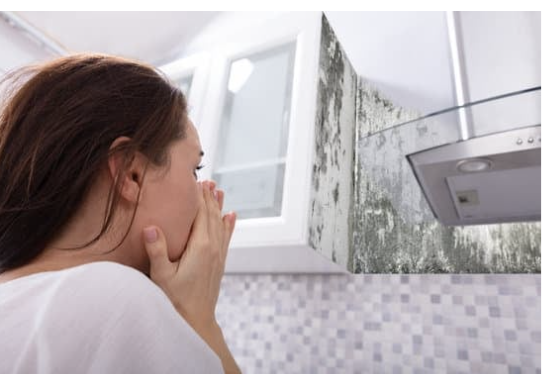
Mold toxicity, often causing Chronic Inflammatory Response Syndrome (CIRS), occurs when your body reacts to mold spores and their toxic byproducts, called mycotoxins. Mold can grow in damp environments, and exposure often occurs in water-damaged homes, offices, or buildings. When inhaled or ingested, these mycotoxins can trigger a wide range of symptoms, including:
Since symptoms of mold toxicity can vary, it’s crucial to take a comprehensive approach to detoxing from mold exposure and monitor your body’s response.

Before diving into detox strategies, it’s important to measure your level of mold exposure. Functional medicine practitioners often recommend specific lab tests to identify mold toxicity and assess its impact on your body.
1. Mold Urine Test
A mold urine test is one of the most common ways to measure mycotoxin levels in the body. This test detects specific mycotoxins excreted in the urine, providing insight into your level of mold exposure. The presence of mycotoxins in urine often indicates active mold toxicity and helps guide a treatment plan. It’s important to assess how well one’s detox pathways are working to ensure this is an adequate route of testing for each individual.
2. Mold Blood Test
A mold blood test measures inflammatory markers and antibodies in response to mold exposure. Elevated levels of certain antibodies, such as IgE and IgG, suggest an immune reaction to mold, while elevated inflammatory markers like C4a and TGF-β1 indicate chronic inflammation due to mold toxicity.
Why Testing Matters:
Testing can pinpoint which types of mold or mycotoxins you’re exposed to and track the severity of your body’s response. This data helps you and your healthcare provider create a targeted mold detox protocol. Additionally, as you progress through treatment, mold testing can be repeated to track your progress.
Diet plays a vital role in detoxifying from mold exposure. A mold detox diet should focus on reducing inflammation, supporting liver function, and optimizing your body’s natural detox pathways. Here are some key dietary principles:
1. Eliminate Inflammatory Foods
Avoid processed foods, refined sugars, and trans fats, which contribute to inflammation and hinder detoxification. Mold toxicity increases inflammation, and eating anti-inflammatory foods can help reduce the overall burden on your body.
2. Incorporate Antioxidant-Rich Foods
Antioxidants neutralize free radicals and reduce oxidative stress caused by mold toxins. Focus on including antioxidant-rich foods such as berries, leafy greens, and cruciferous vegetables to support detoxification.
3. Support Liver Function
Your liver is responsible for filtering and detoxifying toxins, including mycotoxins. Eating foods that support liver health is crucial when detoxing from mold exposure.
4. Boost Fiber Intake
Fiber helps bind toxins in the digestive tract and aids in their elimination from the body. Make sure your diet includes a variety of high-fiber foods such as legumes, flaxseeds, and chia seeds.

In addition to dietary changes, specific mold detox supplements can enhance your body’s ability to eliminate mold toxins and repair damage caused by mold exposure. Here are some of the most effective supplements:
1. Activated Charcoal
Activated charcoal binds to mycotoxins in the digestive tract, preventing them from being reabsorbed into the body. It’s a highly effective detox agent and is often recommended to remove harmful mold toxins.
Glutathione is the body’s master antioxidant, playing a crucial role in detoxification. It helps neutralize free radicals and supports liver detox pathways, making it an essential part of any mold detox protocol.
3. Binders (Cholestyramine or Bentonite Clay)
Binders like cholestyramine and bentonite clay help trap toxins in the gut, allowing them to be excreted through bowel movements. These are particularly effective for individuals with mold toxicity because they prevent the reabsorption of mycotoxins.
4. Milk Thistle
Milk thistle is a powerful herb that supports liver health and promotes detoxification. It contains silymarin, a compound that helps regenerate liver cells and protect the liver from damage caused by toxins.
Omega-3s are known for their anti-inflammatory properties and are essential in reducing inflammation caused by mold exposure. Omega-3 supplements help repair damaged tissues and reduce symptoms like brain fog and joint pain.

Beyond diet and supplements, certain lifestyle modifications can support your body’s detoxification processes and help you recover from mold toxicity more effectively.
1. Sweat It Out
Sweating is one of the body’s natural ways of eliminating toxins. Incorporating activities that induce sweating, such as sauna therapy or exercise, can help flush out mold toxins.
2. Stay Hydrated
Adequate hydration is crucial for detoxification. Water helps flush out toxins, supports kidney function, and keeps the lymphatic system moving efficiently.
3. Support Your Gut
A healthy gut is essential for detoxing from mold. Probiotics, fermented foods, and prebiotic fibers support gut health and enhance your body’s ability to process and eliminate toxins.
Detoxing from mold exposure requires a comprehensive approach that includes proper testing, dietary changes, supplements, and lifestyle modifications. Mold detox supplements such as activated charcoal and glutathione, combined with a mold detox diet rich in anti-inflammatory foods, can significantly improve your recovery process. Testing with a mold urine test or mold blood test will help assess your exposure levels and track your detox progress.
At Peak Health Institute in Warrenville, Il, we specialize in functional medicine approaches for chronic conditions like mold toxicity. We offer advanced testing, including mold urine tests and mold blood tests, and personalized detox protocols tailored to your needs. Contact us today to start your journey toward recovery.
Disclaimer: This blog is intended for informational purposes only and should not be considered medical advice. Please consult with your doctor or a qualified healthcare professional before starting any new supplement regimen or making changes to your treatment plan.