Why Doing the Right Things Matters More Than Doing All the Things
September 2, 2026

Reducing belly fat, especially visceral fat, is crucial for long-term health and longevity. Unlike subcutaneous fat, which sits just under the skin, visceral fat surrounds vital organs and is associated with a higher risk of chronic diseases, including heart disease, type 2 diabetes, and metabolic syndrome. In this blog, we’ll explore effective strategies for reducing belly fat, including the role of fat loss peptides, supplements like berberine and Opti Fiber Lean, lifestyle hacks, and the importance of a DEXA scan to measure and track your progress.
Visceral fat is the fat stored deep within the abdominal cavity, surrounding organs such as the liver, pancreas, and intestines. Unlike subcutaneous fat, visceral fat is metabolically active, meaning it releases inflammatory markers and hormones that can negatively affect your health. Excess visceral fat is linked to increased risks of insulin resistance, cardiovascular diseases, and certain cancers.
Having high levels of visceral fat isn’t just an aesthetic concern; it poses serious health risks. Research shows that people with higher amounts of visceral fat have an increased risk of metabolic diseases and inflammation, which can reduce longevity. Reducing visceral fat through diet, exercise, and lifestyle changes improves overall health, longevity, and body composition.

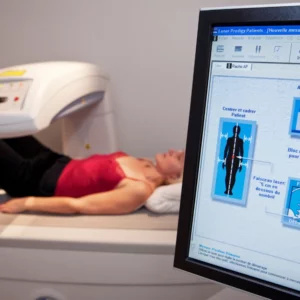
A DEXA scan (Dual-Energy X-ray Absorptiometry) is the most accurate way to measure body fat distribution, including both subcutaneous and visceral fat. Unlike traditional scales or BMI measurements, a DEXA scan provides a detailed report of where your body stores fat, particularly around the abdomen.
By using a DEXA scan, you can assess your vascular fat levels and ensure that your belly fat loss efforts are truly targeting the dangerous visceral fat around your organs.
Once you have a good idea of your body composition, via a dexa scan, you can begin to address losing visceral fat or maintaining lean body mass to prevent increase of visceral fat.
AOD9604 is a modified fragment of human growth hormone that has shown promise in helping reduce body fat, particularly in the abdominal region. It works by stimulating the breakdown of stored fat and inhibiting fat production, without the negative side effects associated with growth hormone.
GLP-1 is a peptide that has been shown to significantly help with fat loss, especially visceral fat. Originally developed to manage type 2 diabetes, GLP-1 improves insulin sensitivity and regulates appetite by slowing gastric emptying and reducing cravings.
These peptides work synergistically to promote fat loss while maintaining lean muscle, making them ideal for those looking to lose belly fat without sacrificing muscle mass.
Berberine is a plant-based compound that has been shown to improve insulin sensitivity and reduce inflammation. It can help regulate blood sugar levels, which is crucial for reducing belly fat since insulin resistance is closely linked to visceral fat accumulation.
Opti Fiber Lean is a high-quality soluble fiber supplement that aids in digestion, helps control appetite, and improves gut health. Soluble fiber slows down digestion, helping you feel fuller for longer and reducing the likelihood of overeating.
Hiphenolic is a blend of natural ingredients that supports fat metabolism and weight loss. It contains polyphenols that help reduce inflammation, improve fat oxidation, and promote better glucose control—all factors that are critical for visceral fat reduction.
It’s important to always discuss dosing and safety with your primary healthcare provider before starting any new supplements or medications.
1. Walk After Meals
One of the simplest yet most effective ways to help burn belly fat is to walk after meals. Walking for 10-15 minutes after eating helps improve blood sugar levels and speeds up digestion, preventing insulin spikes and promoting fat loss.
Walking after meals enhances glucose metabolism and helps your body use the sugars from your meal more effectively, reducing the chances of it being stored as fat.
2. Manage Sleep and Stress
Poor sleep and chronic stress can wreak havoc on your hormones, particularly cortisol, which is closely linked to belly fat storage. Managing stress and ensuring you get 7-9 hours of quality sleep each night is essential for maintaining healthy blood sugar levels and promoting fat loss.
Establish a bedtime routine, limit caffeine intake, and create a sleep-friendly environment. Eliminating screens and blue light exposure 1 hour before bedtime and practicing a bedtime routine that includes deep breathing or meditation can help facilitate restful restorative sleep.
3. Focus on Protein and Fiber Intake
Eating an adequate amount of protein and fiber is essential for fat loss. Protein helps preserve lean muscle mass while also promoting fat burning, and fiber helps control appetite and improves gut health.
Include lean meats, fish, eggs, and plant-based proteins like beans and legumes in your diet. Include plenty of vegetables, fruits, legumes, and whole grains in your daily intake to support digestion and satiety.
Reducing visceral fat is not just about aesthetics—it’s essential for your long-term health and longevity. Incorporating fat loss peptides, supplements like berberine and Opti Fiber Lean, and smart lifestyle changes like walking after meals, managing sleep, and prioritizing protein and fiber intake will help you achieve a leaner, healthier body.
If you’re serious about tracking your belly fat loss and improving your overall health, consider getting a DEXA scan at Peak Health Institute in Warrenville, Illinois. Once we establish your starting point, we can adequately guide you on the necessary supplements and peptides to guide in your fat loss journey. With our cutting-edge technology, we can help you assess your current visceral fat levels and create a personalized plan to achieve your fat loss goals. Contact us today to schedule your scan and take the first step toward a healthier you.
Contact Us:
Disclaimer: This blog is intended for informational purposes only and should not be considered medical advice. Please consult with your doctor or a qualified healthcare professional before starting any new supplement regimen or making changes to your treatment plan.