Why Doing the Right Things Matters More Than Doing All the Things
September 2, 2026

For many grappling with mental health issues, psychiatric medications like Zoloft and Lexapro become part of daily life. These drugs can be crucial in managing symptoms, but some individuals may consider transitioning away from them for many reasons, seeking alternative treatments.
If you’ve been searching “How to wean off lexapro,” ”How to wean off zoloft, ” or “How to get off psychiatric drugs safely,” this article is for you.
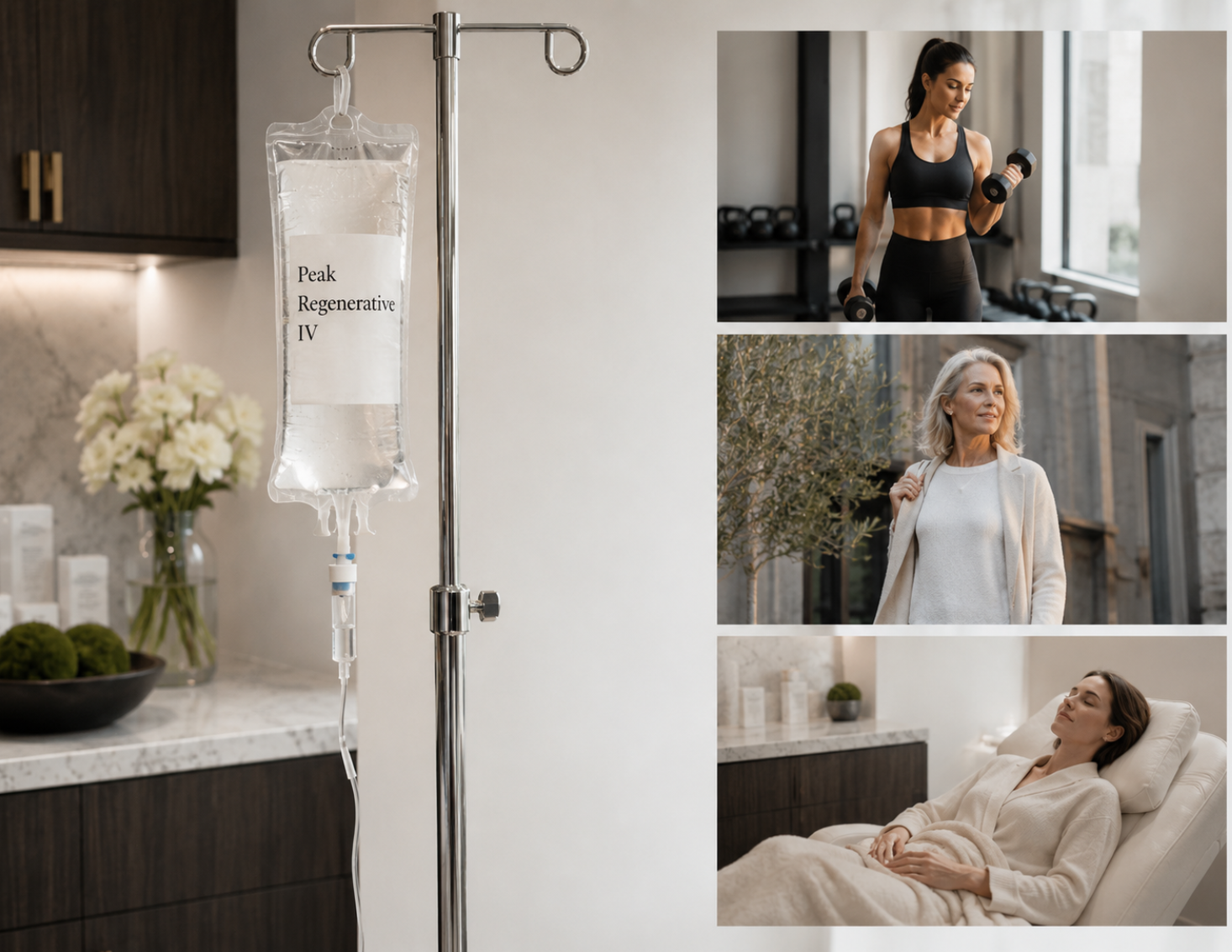
One such emerging option that we are excited to offer here at Peak Health is NAD IV therapy. It’s a method that’s generating interest for its potential in aiding the weaning off process from psychiatric drugs and we are seeing big success for our patients.
Let’s explore how NAD therapy works and its role in safely transitioning away from psychiatric medications.

First let’s talk about why you may want to learn how to wean off Zoloft and other psych medications. As someone on psychiatric medications for an extended period, you might face several side effects that can impact your overall health:
Neurological Changes: You might experience changes in your brain chemistry and function. This can lead to a dependency or a need for higher doses over time.
Metabolic Disruptions: Certain antidepressants and antipsychotics might disrupt your metabolic processes, potentially leading to weight gain, an increased risk of diabetes, and elevated cholesterol levels.
Gastrointestinal Issues: Long-term medication use can affect your gut health, potentially causing issues like constipation or diarrhea. Since gut health is closely linked to mental well-being, these effects can be significant for you.
Hormonal Imbalances: Your hormone levels and functioning can be affected, impacting everything from your menstrual cycles to thyroid function.
Cognitive Effects: You might notice cognitive effects such as memory impairment or reduced concentration due to prolonged use of these drugs.
But it’s not as simple as just quitting your medication cold turkey. This is why it’s vital to know how to get off psychiatric drugs safely.

It’s important to understand that stopping psychiatric medications abruptly can lead to challenging withdrawal symptoms and can be downright dangerous.
NAD, or Nicotinamide Adenine Dinucleotide, is a coenzyme present in every cell and plays a significant role in:
NAD IV therapy introduces higher levels of this coenzyme directly into the bloodstream.
Its potential benefits span a range of health conditions, including support during psychiatric medication withdrawal.

If you want to learn how to wean off Zoloft or how to wean off Lexapro, and get your headspace back to functioning optimally, the key is incorporating NAD IV Therapy and Functional Medicine which offers a holistic pathway to this transition. This is a tailored approach that addresses the unique needs and circumstances of each individual.
What to Expect
We start with an in-depth consultation with our team who is well-versed in both NAD IV therapy and psychiatric medication management.
We will conduct a thorough evaluation of not just your medication history, but also your overall health, lifestyle, and mental health status.
The aim is to understand the balance between your current medication regimen and your overall health.
The process is collaborative, involving active discussions about your concerns, experiences with medications, collaboration with your psychiatrist, and assessing your goals for health beyond pharmaceuticals.
Tailored Approach: Personalized NAD IV Therapy Plan
NAD therapy is not a one-size-fits-all solution. Based on your unique health profile, your provider will create a NAD therapy protocol that aligns with your specific needs, which might include varying dosages, frequencies, and adjunctive therapies.
In tandem with this, the principles of functional medicine are integrated, considering factors like nutrition, gut health, sleep patterns, and stress management, which are crucial in mental health and overall well-being.
Supervised Tapering
The tapering off of medications is a carefully planned and strategic process, involving gradual dose reductions to minimize withdrawal symptoms. Your prescribing psychiatrist is an important member of the team as they taper you off of the medication with gradual dosing adjustments.
As the medication dosage is decreased, NAD therapy works in parallel, supporting brain function and alleviating withdrawal symptoms. NAD helps in restoring neurochemical balance, which can be disrupted during the tapering process.
Each individual does respond differently to varying therapies and it’s not to be expected that you will avoid all side effects or not experience withdrawal. But the expectation is to decrease the severity and duration of your symptoms as you slowly step off of your medication.
Monitoring and Adjusting Your NAD IV Therapy
Ongoing assessments form a critical part of this journey. Regular check-ins help monitor your response to the tapering and NAD therapy, ensuring that you remain comfortable and supported throughout the process.
Based on your feedback and clinical observations, we will dynamically adjust the therapy plan.
This might include tweaking NAD dosages, altering tapering schedules, or incorporating other functional medicine interventions such as stress reduction techniques or dietary modifications into your treatment plan.
Transitioning from medications like Zoloft or Lexapro is a sensitive and intricate process that benefits from professional oversight and a personalized approach.
If you want to learn more about how to wean off Zoloft, NAD IV therapy offers an encouraging option for those looking for medication alternatives or support during withdrawal.
If you’re considering this route, book a consultation call with our functional medicine clinic, experienced in NAD IV therapy.
We can offer insights into how this therapy can be integrated into your mental health plan. Remember, any changes to your medication regimen should always be overseen by a qualified healthcare professional to ensure your safety and optimal well-being.
Disclaimer: This blog is intended for informational purposes only and should not be considered medical advice. Please consult with your doctor or a qualified healthcare professional before starting any new supplement regimen or making changes to your treatment plan.